-
1
Heat the oven to 300 degrees.
-
2
Tying the meat: Using a kitchen string, tie the beef into a neat, snug shape.
-
3
Browning the meat: Season the beef all over with salt and pepper.
-
4
Heat the oil in a large Dutch oven or other braising pot (5-quart works well) over medium heat.
-
5
Add the beef and brown it on all sides, turning it with tongs as you go, about 18 minutes total.
-
6
Remove the beef and set it aside on a large plate or dish that will collect any juices that the meat releases.
-
7
If there are any charred bits in the pot, remove them with a damp paper towel, but leave behind any tasty-looking drippings.
-
8
The aromatics and braising liquid: Return the pot to medium-high heat and add the onion, carrot, celery and garlic.
-
9
Season lightly with salt and pepper.
-
10
Cook, stirring often, until just starting to brown, about 5 minutes.
-
11
Pour in the wine, scrape the bottom with a wooden spoon to loosen any of the cherished cooked-on bits of caramelized beef juices, and boil to reduce the wine by about half, about 6 minutes.
-
12
Add the stock, return to a boil, and boil to reduce by just about one third, another 5 minutes.
-
13
Return the meat to the pot, and add the sage, parsley, and peppercorns.
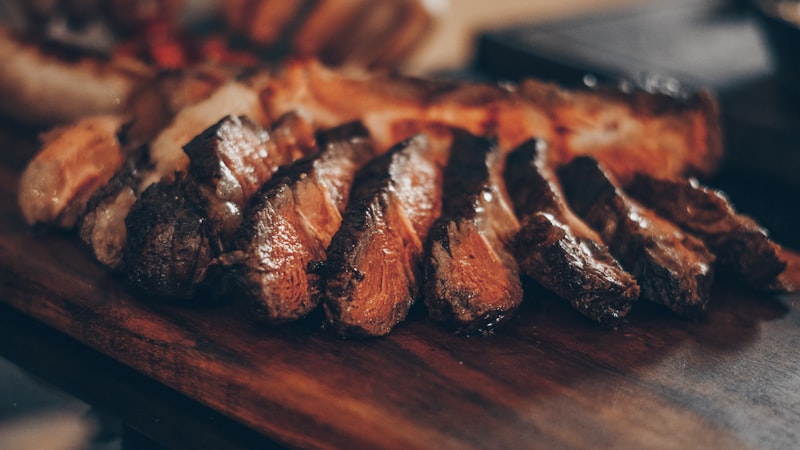
-
14
Cover with a piece of parchment paper, pressing down so that it nearly touches the meat and the edges of the paper overhang the pot by about an inch.
-
15
Set the lid in place.
-
16
The braise: transfer the pot to the low third of the oven and braise at a gentle simmer, turning the roast once halfway through braising, until fork-tender, about 3 hours.
-
17
Peek under the lid after the first 10 to 15 minutes to check that the liquid isnt simmering too vigorously; if it is, lower the oven heat by 10 or 15 degrees.
-
18
The garnish: while the beef braises, cut the carrots into sticks by cutting them crosswise in half, then cutting the halves lengthwise into sticks about 3 inches by 1/2 inch.
-
19
This typically means cutting the thicker tops into quarters and the skinnier tips in half.
-
20
(If using parsnips, remove any woody core before cutting them into sticks) You can chop the sage and parsley for the garnish now as well.
-
21
Set aside.
-
22
The finish: remove the pot from the oven.
-
23
Lift the beef out with tongs or a sturdy spatula, set on a carving platter to catch the juices, and cover loosely with foil to keep warm.
-
24
Strain the cooking liquid, pressing down on the solids to extract as much liquid as possible.
-
25
Discard the spent aromatics, and pour the liquid into a medium saucepan.
-
26
Let the braising liquid settle, then spoon off and discard as much fat s you easily can with a wide spoon.
-
27
Measure out 1/2 cup of the juices for glazing the carrots and set the rest aside in a warm spot.
-
28
Glazing the carrots: heat the oil and butter in a large skillet (12 or 13 inch) over medium-high heat.
-
29
When quite hot, add the carrots (and parsnips, if using), season with salt and pepper, and cook briskly, shaking or stirring them, until lightly glazed and brown in spots, about 8 minutes.
-
30
Add the 1/2 cup braising liquid, cover partway, reduce the heat to medium, and simmer until tender but not at all mushy, 6 to 8 minutes.
-
31
Uncover, raise the heat, and bring back to a boil.
-
32
Add the vinegar, sugar, sage and parsley and cook until the liquid is reduced to a glaze, about 1 minute.
-
33
Taste for salt and pepper.
-
34
The finish: heat the remaining reserved cooking juices over medium-high heat, and boil for 1 or 2 minutes to concentrate their flavor.
-
35
Taste.
-
36
You may not need to add any salt or pepper, but do so if the juices are lacking in flavor.
-
37
Serving: remove the strings from the roast.
-
38
For a platter presentation, arrange the carrots (and parsnips, if using) around the pot roast.
-
39
Alternatively, slice the roast into 1/2-inch thick slices and arrange the slices on dinner plates along with the carrots (and parsnips, if using).
-
40
Spoon a bit of sauce over the meat and serve immediately.
-
41
Pass any remaining sauce at the table.