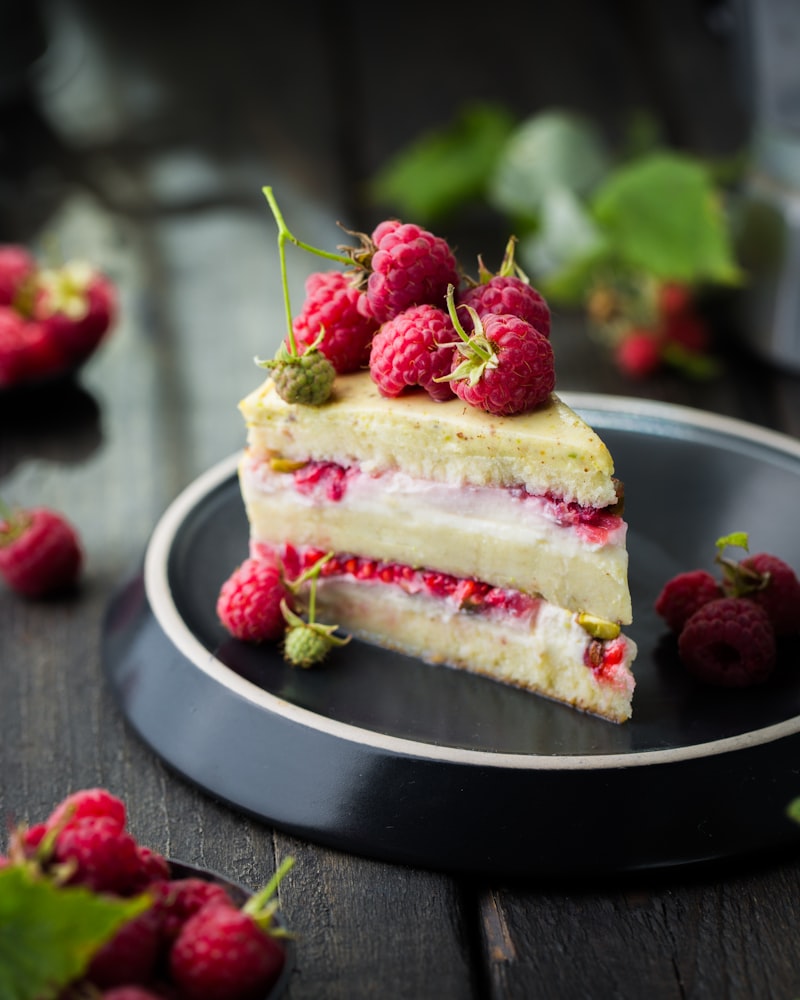
-
1
Line the cake pan with parchment paper.
-
2
Preheat the oven to 160C.
-
3
Crack the eggs into a bowl and beat well.
-
4
Add the sugar as you mix.
-
5
Place the bowl over a double-boiler as you whisk, and heat the egg mixture until warm (about 40C).
-
6
(I do this over open heat, but use a double-boiler if you are not confident).
-
7
Remove from the double-boiler and beat with an electric mixer.
-
8
It is beginning to get fluffy in this picture, but this is not enough.
-
9
Keep beating so that the texture becomes smooth.
-
10
I prefer to beat well, so I beat until it becomes smooth and fluffy.
-
11
Beat until the batter forms ribbon-like when you lift the mixer and let the batter fall back into the bowl.
-
12
Then turn down the speed to low and mix for another 30 seconds to even out the size of the bubbles.
-
13
Sift the flour into the batter.
-
14
Using a rubber or wooden spatula, fold the flour into the batter from the middle to the out side, scooping up from the bottom of the bowl (pink arrow).
-
15
At the same time, turn the bowl towards you with other hand (yellow arrow).
-
16
This picture shows you when the flour is folded into the batter evenly, but if you stop here, the cake turns out with a less pleasing texture, so continue mixing for a bit longer.
-
17
The batter is now glossy, so you can stop mixing.
-
18
The cake will turn out rubbery if you mix too much!
-
19
Pour into the baking pan.
-
20
If you mixed the batter until it gets glossy, you will get a smooth, moist cake.
-
21
If you did not mix enough, you will get a dryer, less smooth cake!
-
22
Drop the pan lightly around 3 times from a height of about 5 cm to remove any large bubbles.
-
23
Bake in the preheated oven at 160C for 30-40 minutes.
-
24
It is done when nothing sticks onto a skewer (wooden or bamboo) when you insert it into the cake (I baked for 35 minutes).
-
25
Drop the cake pan once from a height of about 20 cm, then remove from the pan.
-
26
Place the cake on a wire rack and cover loosely with moistened kitchen towel or plastic wrap to cool.
-
27
Once it has cooled, slice to your desired thickness!
-
28
If you want to make the top of the sponge cake flat, place a piece of kitchen paper or plastic wrap on the wire rack, and place the cake upside down to cool.
-
29
[For a 15 cm cake pan] 110 g eggs, 50 g sugar, 50 g cake flour.
-
30
Weight of the eggs does not include the shells, about 2 eggs' worth.
-
31
[For a 21 cm cake pan] 240 g eggs, 110 g sugar, 110 g cake flour.
-
32
Weight of the eggs does not include the shells, about 5 eggs' worth.
-
33
If you use a cake pan that is not 18 cm wide, bake at the same temperature, but adjust the time accordingly.
-
34
If the pan is smaller, shorten the baking time; if it is bigger, bake for longer.