-
1
Bring a large pot of water to a boil and add salt.
-
2
Add the pasta and cook until al dente, about 10 minutes.
-
3
While the water comes to a boil and the pasta cooks, cut the zucchini with the fine French-fry cutter on a mandoline.
-
4
If you do not have one, cut by hand into the longest, finest julienne you can manage.
-
5
Season with salt and pepper.
-
6
If your zucchini is very finely cut, it does not need to be cooked.
-
7
Otherwise, place in a colander, suspend over the pasta pot, cover the pot, and steam the zucchini until still slightly crunchy, about 2 minutes.
-
8
Heat 1/4 cup of the olive oil in a small skillet over medium-high heat until hot.
-
9
Add the garlic and saute briefly until light brown.
-
10
Turn on the exhaust fan and add the red pepper flakes.
-
11
Quickly mix in the basil and parsley and remove from the heat.
-
12
When the pasta is al dente, drain through a colander, reserving about 1/2 cup of the pasta cooking water.
-
13
Pour the pasta into a warm serving bowl; add the zucchini, basil oil, the garlic mixture, and 1/2 cup of the cheese.
-
14
Toss well, adding cooking water as needed to make a smooth sauce.
-
15
Taste for seasoning and add salt and pepper, as needed.
-
16
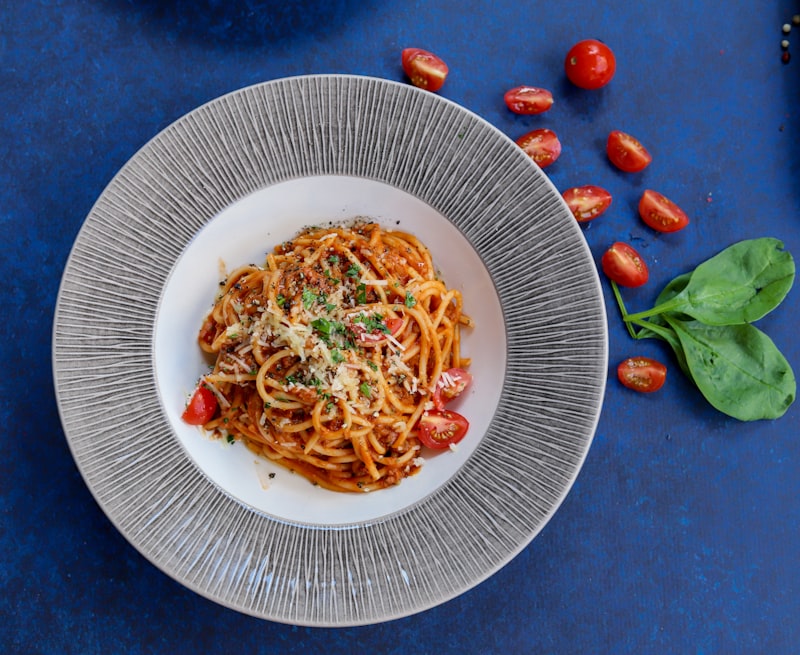
Grate about 2 tablespoons Parmesan over the top and serve at once.
-
17
Cook's Note: The reason to save the basil oil to toss with the pasta at the end is so the oil will have a fresh, uncooked taste.
-
18
For soft herbs, such as basil, parsley, cilantro or tarragon: Use 4 cups packed leaves to 2 cups pure olive oil.
-
19
For woody herbs, such as rosemary, sage, thyme, oregano or lemon verbena: Use 1 cup packed leaves to 2 cups pure olive oil.
-
20
In a blender, puree the herbs and oil until completely smooth.
-
21
Put the mixture in a saucepan and bring it to a simmer over moderate heat.
-
22
Simmer for 45 seconds, then pour through a fine-mesh strainer into a bowl.
-
23
Don't press on the mixture, but you can tap the strainer against your hand to get the oil to drip through faster.
-
24
Immediately strain the oil again through a flat-bottomed paper filter.
-
25
If the filter clogs, you may need to change the filter partway through.
-
26
It's okay to pick the filter up and squeeze it gently to get the oil out faster, but be careful not to break the filter.
-
27
(Sometimes a little dark liquid comes through the filter first.
-
28
Don't worry; that's water.
-
29
It will settle to the bottom because it is heavier than the oil.)
-
30
Let the filtered oil settle for a few hours, then pour it off the dark liquid.
-
31
Store in an airtight jar in a cool, dark place.
-
32
Cook's Notes: The oil passes through the filter faster if it's filtered while still hot, so set up your filter before you start the recipe.
-
33
You'll need a flat-bottomed paper filter, like those used for some drip coffee machines.
-
34
Cone-shaped filters tend to get clogged.