-
1
Put the pork loins in a shallow, nonreactive dish and pour on enough cider to cover them.
-
2
Add the rosemary leaves, thyme, cinnamon stick, bay leaves and salt.
-
3
Mix well and cover with plastic wrap.
-
4
Refrigerate for 24 hours, turning the loins two or three times.
-
5
Remove the pork loins from the cider brine and pat them dry with paper towels.
-
6
Season them with salt and pepper and brown them on all sides on a preheated grill or in a heavy cast-iron pan or casserole on top of the stove.
-
7
Heat the olive oil and saute the onions and garlic in a heavy casserole big enough to hold the loins (if you browned the pork on top of the stove, you can use the same casserole.
-
8
It must have a tight-fitting lid).
-
9
Add the rosemary and white wine and bring to a boil, scraping up the cooking juices.
-
10
Add the loins and lemon slices, cover and roast for about 20 minutes, turning frequently.
-
11
If the liquid evaporates too quickly, add a little water.
-
12
The pork is done when it reaches an internal temperature of 155 degrees.
-
13
Remove the casserole from the oven and allow the pork to cool in the cooking juices.
-
14
Meanwhile, fry the sage leaves a few at a time in the vegetable oil.
-
15
Drain them on paper towels and sprinkle them with sea salt.
-
16
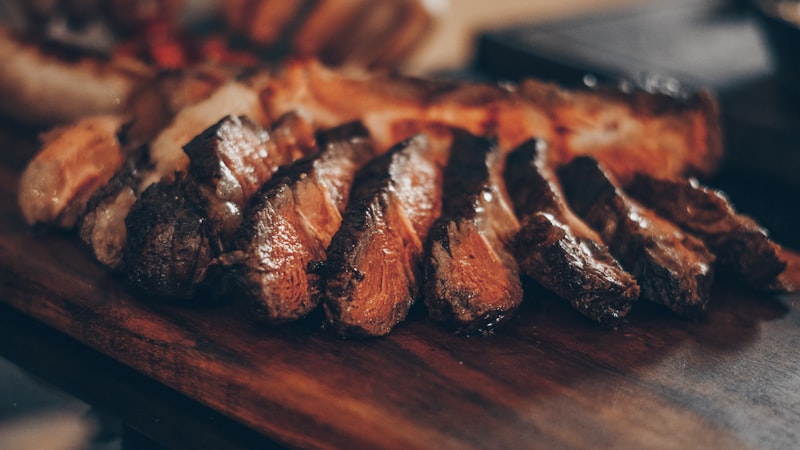
Remove the pork loins from the cooking juices and cut them in thin slices.
-
17
If necessary, boil down the cooking juices so they coat the back of a spoon, like a glaze.
-
18
Arrange the pork on a serving platter and trickle the cooking juices in a line down the center of the slices.
-
19
Garnish with the lemon slices.
-
20
Cover the dish with plastic wrap and keep it in a cool place (not the refrigerator) if you are eating it within a few hours.
-
21
Just before serving, season with salt and pepper to taste and sprinkle with the sage leaves.