-
1
Working over the opened can of tomatoes, break open each tomato, scrape the seeds back into the can, and put the seeded tomato in a bowl.
-
2
Squeeze the seeded tomatoes in your hand to break them up slightly, then strain the juice from the can into the bowl with the tomatoes.
-
3
Discard the seeds.
-
4
Chop the garlic coarsely, sprinkle with a pinch of salt, and use the side of a chefs knife to smash and press the garlic into a paste.
-
5
Put the garlic paste and the olive oil in a medium heavy-bottomed skillet, cover, and put over medium-low heat.
-
6
Cook the garlic very slowly until soft and feathery-looking but still creamy in color, 5 to 6 minutes (lower the heat if it starts to brown).
-
7
Add the tomatoes and juice, along with the chile flakes, 1 1/2 cups water, 1/2 teaspoon salt, and a few grinds of pepper.
-
8
Increase the heat to medium-high and bring just to a boil, skimming off and discarding any foam (be careful not to skim off the oil, though).
-
9
Lower the heat to a rapid simmer and cook, continuing to skim the foam, until the sauce has reduced to a scant 2 cups, about 45 minutes.
-
10
(Stir occasionally as the sauce thickens to prevent sticking or burning.)
-
11
Remove the sauce from the heat.
-
12
If you have an immersion blender, pulse the sauce a few times to break up some of the larger chunks.
-
13
Otherwise, remove one-third of the sauce and puree in a food mill or pulse in a food processor.
-
14
Return the pureed sauce to the pot and tear the basil leaves into the sauce.
-
15
Bring a large pot of lightly salted water to a boil.
-
16
(Any more than a tablespoon or so of salt will make the final dish too salty.)
-
17
Add the spaghetti, cook for 6 minutes, and drain, reserving at least 1 cup of the cooking water.
-
18
Put the sauce in the same pot you used to cook the pasta, adding another pinch of chile flakes if desired.
-
19
Add the spaghetti and 3/4 cup of the cooking water and bring to a rapid simmer.
-
20
Cook, stirring frequently, until the pasta is cooked to al dente, the liquid is completely absorbed into the pasta, and the sauce is reduced to a very thick puree, 5 to 7 minutes longer.
-
21
(Add up to 1/4 cup more of the pasta water if the sauce reduces before the pasta is al dente.)
-
22
Taste and season with more salt as needed.
-
23
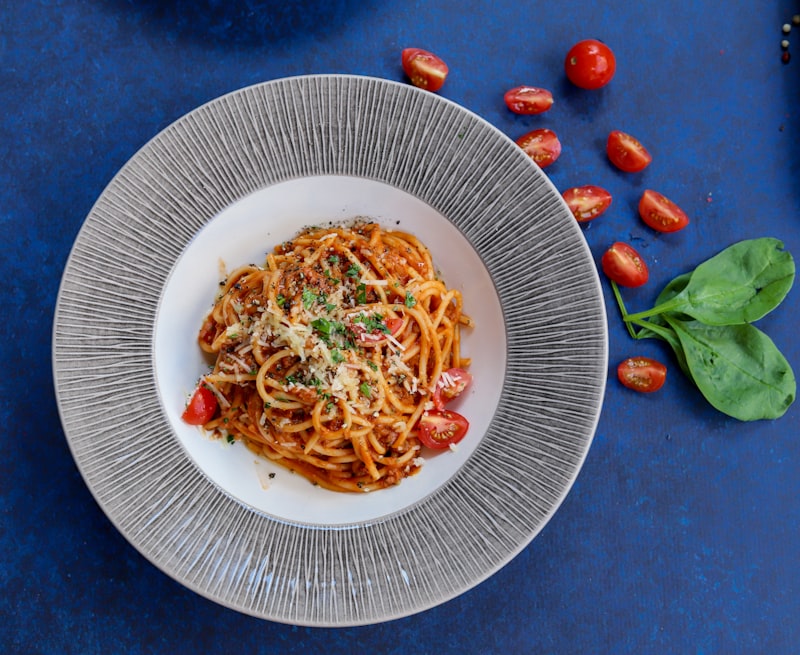
Top each serving with Parmigiano and serve right away.
-
24
You can make the sauce up to 2 days ahead.
-
25
Because it also freezes well, consider making a double batch of the sauce and freezing half of it for a rainy day.
-
26
If making ahead, reserve half the basil leaves and add them when you combine the sauce with the spaghetti.