-
1
Preparation: Combine all the ingredients and sift the flour.
-
2
Line the bottom and sides of the cake pan with baking parchment.
-
3
Fill a double broiler with water heated to about 60C.
-
4
Melt the butter, and place over a separate double broiler so that it doesn't cool and harden.
-
5
Place a bowl over the double broiler, so that the bottom is submerged in the water.
-
6
Add the eggs and sugar, and beat the mixture with a whisk while heating until warm to the touch (do not overheat.)
-
7
Remove the bowl from the double broiler.
-
8
Using an electric mixer set to high, beat until stiff peaks form and the whisk leaves a trail in the mix.
-
9
This should take about 5 minutes if you are making a 15 cm cake.
-
10
Reduce the whisk's speed to medium, and beat for a further 3-4 minutes until the batter becomes foamy.
-
11
Reduce speed to low, and whisk the batter for 1-2 minutes more until shiny and smooth.
-
12
You want to beat until the batter is slightly gloopy and shiny - it should feel heavy when you run the whisk through it.
-
13
When dropped from the whisk, the batter should sit on the surface without sinking back into the mixture (as photographed).
-
14
Quickly fold in the the sifted flour with a spatula, while rotating the bowl, so that it is fully incorporated.
-
15
Even after the flour is no longer visible, continue folding for a bit longer until the mixture becomes glossy.
-
16
(You will fold the batter about 40 times in total)
-
17
Melt the ingredients, either in a microwave or over a double broiler.
-
18
You want to bring the mixture to about 50-60C.
-
19
Take a small amount of the Step 8 mixture and mix it into the butter mixture.
-
20
Pour the Step 9 butter mixture evenly onto the surface of the Step 8 batter, and using a rubber spatula mix just enough to incorporate.
-
21
Pour the batter into the cake pan.
-
22
Rap the bottom of the pan against your work surface, to release any trapped air bubbles.
-
23
Bake for 20 minutes in an oven preheated to 180C.
-
24
Reduce the temperature to 170C and bake for another 8-10 minutes.
-
25
If an inserted skewer comes out clean, it's finished baking.
-
26
When the cake is done, drop the pan onto your work surface from a small height.
-
27
(This prevents the cake from shrinking.)
-
28
Turn the cake upside-down on a wire rack and remove from the pan straight away.
-
29
Leave to cool slightly, then turn right-way-up.
-
30
Cover with a cloth so that it doesn't dry out, and leave to cool completely.
-
31
Excluding the browned top, the cake should be tall enough to cut into three 1.8 cm slices.
-
32
It's up to you whether or not you cut off the browned surfaces.
-
33
Sponge cakes usually use butter for fat, but using half butter and half vegetable oil allows the cake to rise more.
-
34
In total, it should be about 6-6.3 cm high.
-
35
When using a 18 cm cake pan, adjust the whisking time to 8 minutes on high speed, 5 minutes on medium speed, and 2-3 minutes on low speed.
-
36
The baking time will also need to be increased by 2-3 minutes.
-
37
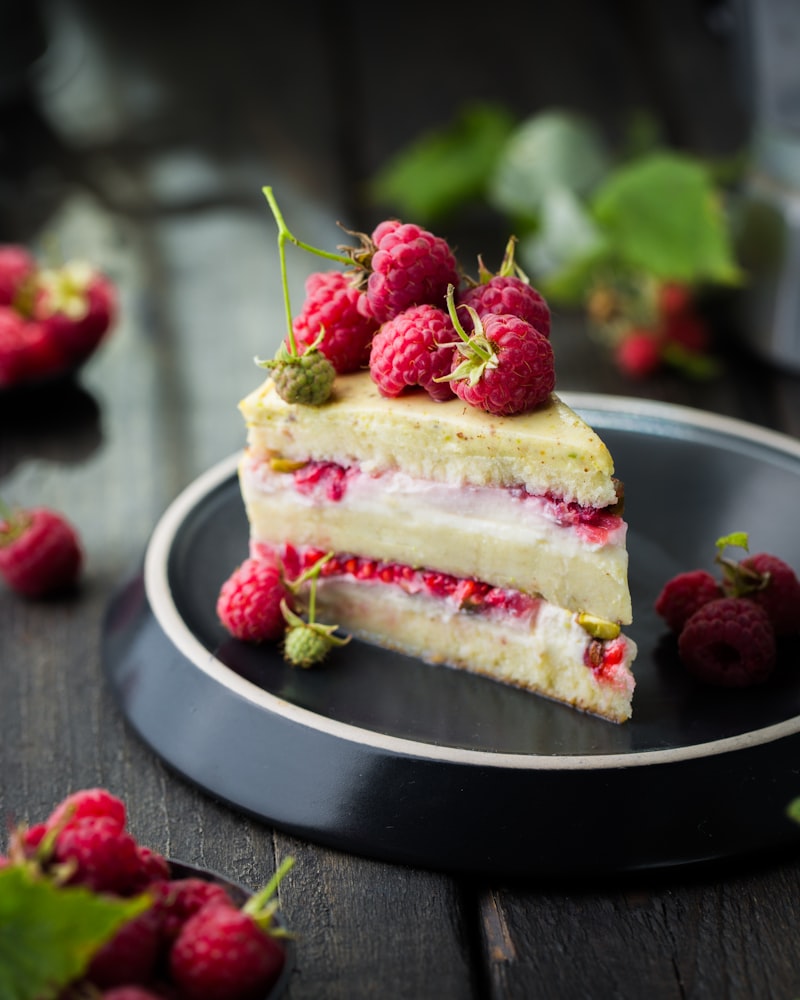
This sponge is so moist, fluffy, and light, you'll hardly feel any resistance when cutting into it with a knife.