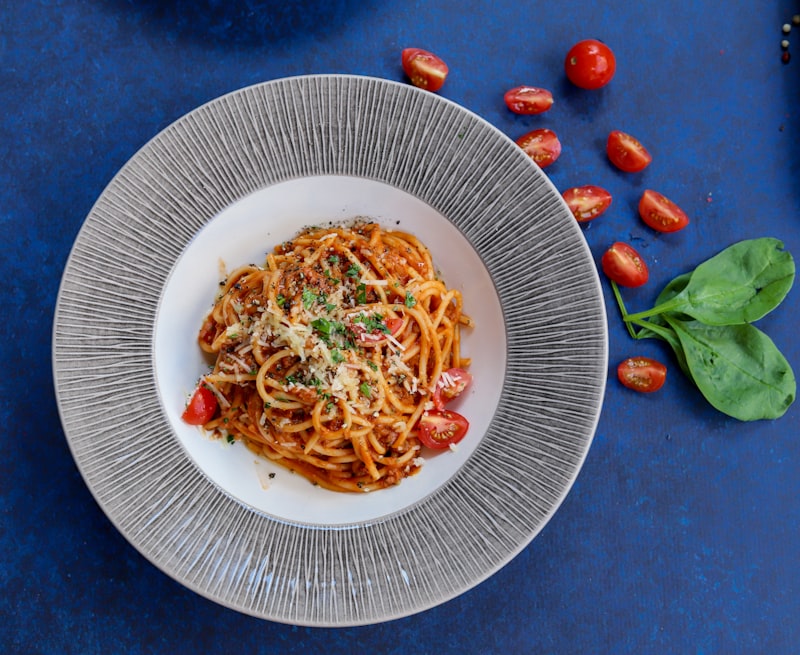
-
1
Put 5 cups flour in a 12-inch-wide mound on a work surface.
-
2
Make a 6-inch-wide well in center (down to work surface) with fist.
-
3
(The outer wall should be 1 1/2 to 2 inches high.)
-
4
Break eggs into well and add oil.
-
5
Beat eggs and oil together with a fork, then gradually beat in flour from inner side of well wall, keeping wall intact while mixture is runny, until it comes together in a cohesive, kneadable mass (about two thirds of flour from mound will have been incorporated).
-
6
Knead dough with floured hands, incorporating just enough flour on work surface until dough no longer sticks to hands.
-
7
(It will still be a little tacky; you will have flour left over.)
-
8
Set dough aside and scrape up and discard flour from work surface.
-
9
Lightly reflour work surface using some of remaining cup flour and continue to knead dough, reflouring hands often, until smooth and elastic, about 6 minutes more.
-
10
(Dough should still be slightly tacky.)
-
11
Form dough into a ball, then dust well with flour and wrap in plastic wrap.
-
12
Let dough rest 30 minutes at room temperature.
-
13
Remove plastic from dough (reflour dough if sticky) and cut into 4 pieces.
-
14
Cover pieces with a bowl.
-
15
Set smooth rollers of pasta machine on widest setting.
-
16
Flatten 1 piece of dough into a rectangle and dust lightly with flour, then feed through rollers.
-
17
(Keep remaining 3 pieces covered.)
-
18
Fold rectangle in half, dusting very lightly with flour if necessary to prevent sticking, and feed through rollers again.
-
19
Refold and feed dough through rollers 2 more times.
-
20
Turn dial to next-narrower setting and feed dough through rollers once without folding and then 3 times folded (fold dough crosswise or lengthwise so that it stays narrower than width of rollers), dusting very lightly with flour after folding as necessary.
-
21
(If edges of dough start to crack, stop adding flour.)
-
22
Catch pasta sheet with your hand as it feeds through rollers instead of letting it rumple at base of machine.
-
23
Continue to feed pasta sheet through rollers, 4 times for each setting (first time not folded), and making space between rollers narrower, until second-to-last setting is reached.
-
24
Feed sheet through rollers as for previous settings (folding so that sheet is just narrower than width of rollers is important now).
-
25
Lightly dust work surface with flour and set rollers on last setting.
-
26
Feed sheet through rollers once only (it will be about 4 feet long and thin enough to see your hand through), then lay on dusted work surface.
-
27
Cut sheet crosswise into 4 roughly 12-inch sections and lay them, lightly dusted with flour, in one layer on sheets of parchment paper to dry slightly while rolling remaining pasta.
-
28
(Pasta can sit for 1/2 to 1 1/2 hours; the sheets should remain flexible and edges should not dry out; 2 or 3 parchment sheets with pasta may be stacked if space is limited, but be sure top of dough sheets are dusted with flour.)
-
29
Once all sheets are rolled, or between batches if pasta is drying too fast, cut each dough sheet with pizza cutter or knife on a work surface lengthwise into noodles about 1 inch wide.
-
30
Lightly toss pappardelle with flour if at all sticky and lay in very loose nests on parchment paper.
-
31
Heat 3 cups of bolognese sauce in a 12- to 13-inch heavy deep skillet over moderate heat.
-
32
Shake flour from pappardelle and cook in an 8-quart pot of boiling water seasoned with 2 tablespoons kosher salt, stirring occasionally to keep noodles separate, until al dente, 1 to 2 minutes.
-
33
Reserve 1 cup cooking water, then drain pasta in a colander (do not rinse).
-
34
Add pasta and about 1/2 cup of reserved cooking water to skillet and toss with sauce.
-
35
Add Parmigiano-Reggiano and cook, tossing, until pasta is well coated with sauce and cheese is melted (add more pasta water if mixture is dry), about 1 minute.
-
36
Divide among 6 warmed shallow bowls and serve immediately with additional cheese.